Government-backed mortgage programs designed to expand access to homeownership. These loans offer flexible credit guidelines and low to no down payment options for qualified buyers.
FHA Loans are designed for low-to-moderate-income borrowers, particularly first-time homebuyers with lower credit scores or limited savings. These loans have more flexible qualification requirements than conventional loans.
VA Loans provide eligible veterans, active-duty service members, and military families with powerful benefits, often including no down payment and no private mortgage insurance (PMI). For eligible veterans and service members, subject to VA eligibility requirements. (VA loans are subject to VA eligibility requirements. Not all applicants will qualify).
USDA Loans standout for their affordability, often offering no down payment, competitive interest rates, and lower mortgage insurance costs. These loans are designed for borrowers who wish to purchase in designated rural and suburban areas.
These programs are structured to provide affordability, flexibility, and strong financial support depending on your eligibility and property location. This is not a government agency.
Down Payment Assistance Programs
These programs help reduce the upfront costs of purchasing a home by assisting with down payments and, in some cases, closing costs. They are especially helpful for first-time buyers who qualify under income or geographic guidelines.
Jumbo Loans
Jumbo loans provide financing for higher-priced properties that exceed conventional loan limits. They are ideal for luxury homes or high-value real estate and can be structured to meet the needs of financially strong borrowers.
Bank Statement Loans
A bank statement loan is a type of non-qualified mortgage (non-QM) tailored for self-employed borrowers, freelancers, and business owners. Instead of relying on W-2s or tax returns, it uses 12–24 months of bank statements to determine income. This approach focuses on real cash flow, making it a practical option for those whose tax deductions may lower their reported earnings.
DSCR (Rental Income) Loans
Debt Service Coverage Ratio (DSCR) loans are tailored for real estate investors. Qualification is based primarily on the property’s rental income rather than the borrower’s personal income, making it easier to scale investment portfolios.
Home Equity Loans / HELOCs
These options allow homeowners to access the equity built in their property.
Home Equity Loan: Receive a lump sum with fixed payments.
HELOC (Home Equity Line of Credit): Access a revolving line of credit that can be used as needed.
Funds can be used for renovations, debt consolidation, investments, or major expenses.
Community Lending Programs
Special mortgage programs designed to support homeownership within specific communities. These programs may offer reduced down payments, lower interest rates, or more flexible qualification guidelines based on eligibility.
Bridge Loans
Short-term financing designed to help you purchase a new property before selling your current one. Bridge loans provide temporary funding that creates flexibility during transitional periods.
Mobile Home Financing
Mobile home financing provides loan options to purchase or refinance a manufactured home. Depending on whether the home is attached to land or located in a park, buyers can use programs to purchase at a accessible price.
ITIN Loans
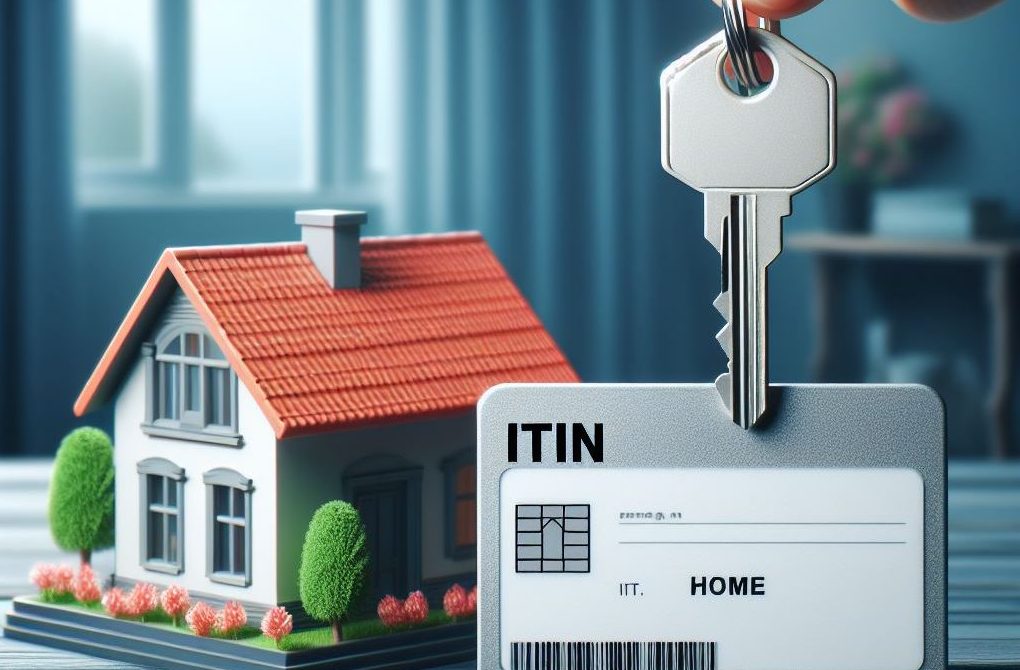
Mortgage options available for borrowers who use an Individual Taxpayer Identification Number (ITIN) instead of a Social Security Number. These programs expand homeownership opportunities while still maintaining responsible lending standards.
Ready to Make a Confident Move?
Let’s build a mortgage strategy designed around your financial goals.