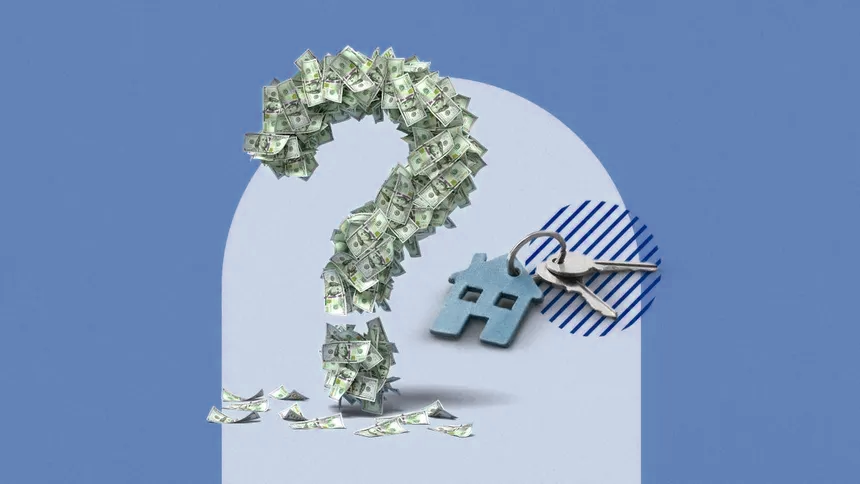
One of the biggest misconceptions about buying a home is that you need a 20% down payment. For many buyers, that simply isn’t the case.
Depending on the loan program and your qualifications, some conventional mortgage options may allow down payments starting around 3%. FHA, VA and other programs can provide additional options for eligible borrowers.
But your down payment isn’t the only number to consider.
Homebuyers should also prepare for closing costs, which may include lender fees, title and escrow charges, appraisal costs, prepaid property taxes, homeowners insurance and other expenses. There may also be opportunities to reduce the amount you bring to closing through seller credits, lender credits or eligible down-payment-assistance programs.
The important number is not simply your down payment. It’s your total estimated cash to close.
For example, someone who assumes they need $100,000 before looking at a $500,000 home may discover that their actual financing options require substantially less upfront cash. Another buyer might have enough for the down payment but need additional funds for closing costs and reserves.
That’s why speaking with a mortgage professional early can be useful—even if you’re several months away from buying.
A mortgage review can help you understand your potential price range, estimated monthly payment, cash requirements and available loan programs before you begin making offers.
The takeaway: Don’t automatically assume you need 20% down. Learn what options are available based on your individual financial situation, then build your homebuying plan around real numbers.